Rebel Youth Montreal Bureau
This article was last updated at 24h00, Friday May 18th
This article was updated at 22h00, Friday May 18th
This article was updated at 16h00, Friday May 18th
This article was published on 12h30, Friday May 18th
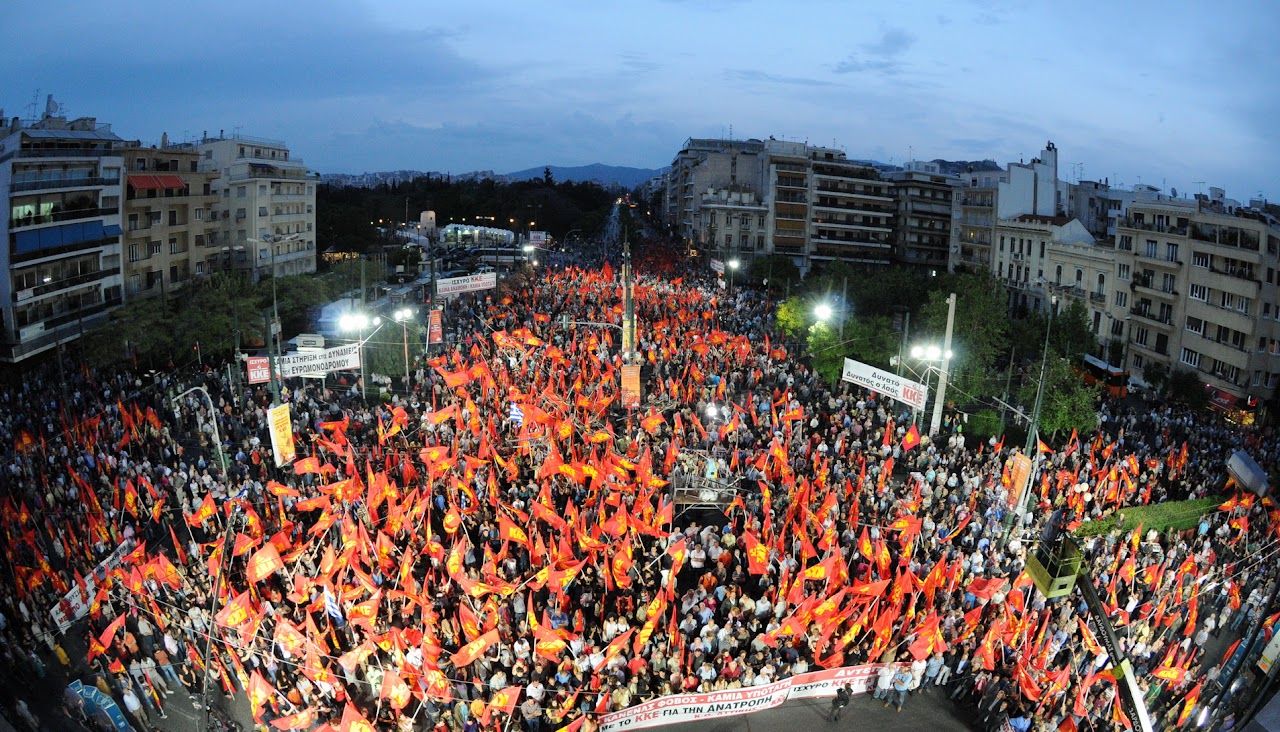
Last night the Charest Liberal government tabled its repressive Duplessis-style legislation while thousands of protesters marched well past mid-night in the streets of Quebec City and Montreal, waving flags, chanting and even burning a draft of the repressive law.
The law 78 passed this afternoon with the right-wing CAQ party voting in favour, propping-up the precarous posistion of the Charest Liberals who are currently holding onto a majority of only one vote (following the resignation of the Minister of Education last week). Links to the law in English are below.
The vote passed 68-48 at about 5:30 p.m.
The Montreal city council also passed a bylaw today banning masked demonstrators.
In this update RY magazine presents some highlights of the law, the critical analysis of the Quebec Bar association and today`s commentary about the legislation from students, labour leaders and the Employers Association of Quebec, which has stated its support of the legislation.
The student associations have said they plan to fight the law in court. It is unclear when the law will be signed into effect.
You can add your name to a petition against the law, endorsed by the major labour unions of Quebec
by clicking here. The petition is in French. An internet translation
is available here.
The government this week also suspended classes in 14 of the province’s 48 colleges where strikes were still continuing as well in certain departments and faculties in 11 of the province’s 18 universities.
Highlights of Bill 78
The legislation is already scheduled to last a year, expiring in June 2013. This means the law will apply for the election, and, if the next government wishes, it could also extend the law. While the most glaring points are summarized below, the entire law is flawed in our view and must be withdrawn.
Read a
graphic summary in French here.
Section 16 says that the police have to be informed eight hours in advance and in writing about any demonstration with the duration and route of the protests, for actions larger than 50 or more people (the Liberals increased the number from the original proposal of eight people). Section 17 says that organizers, or even a student association taking part in the march without being its organizer, must make sure that the event complies with the parameters handed to police.
The law does not only apply to students. Every waged person on campus are subject to the provisions. This is particularly aimed at the university teachers. The teachers have played a noble role in this battle, supporting the students, honoring their strike by refusing to give class, joining their picket lines, and even being arrested -- at demonstrations and but also being scooped by police from within the campus. Charest has accused the teachers of being the real organization behind the strike (a ludicrous idea).
Section 13 and 14 say that no one can “directly or indirectly contribute” to delaying classes or denying access to them. Section 15 says student associations must employ “appropriate means” to induce their members to not directly or indirectly disrupt classes. Offering encouragement for someone to protest at a school, either tacitly or otherwise, is subject to punishment.
Article 29 had stated that whoever by act or "omission", "help [...] or induces another person to commit an offense" commits the offense itself. The term omission was withdrawn after an amendment however.
There are increased powers granted to the Minister of Education, Recreation and Sport. The Minister may order an educational institution, notwithstanding any contrary provision, to stop collecting student association fees.